
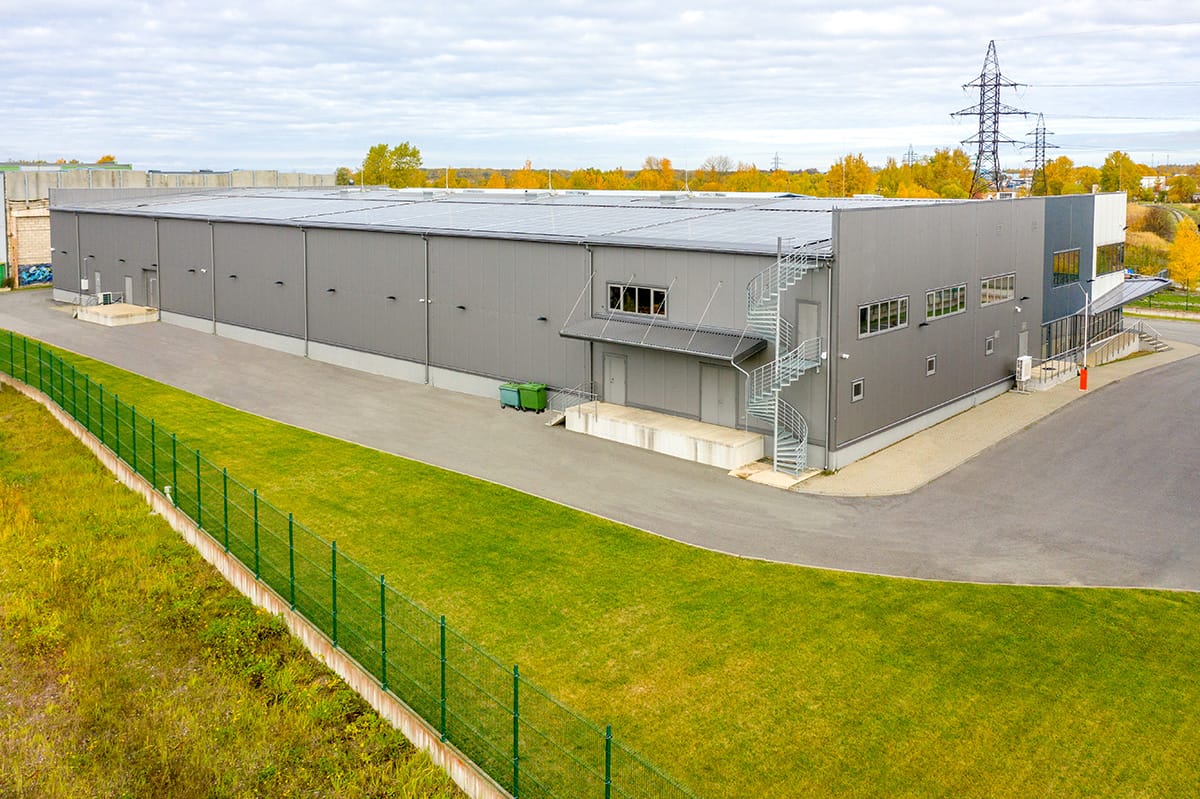
Why Phasing Makes Sense for Commercial Property Conversions
Most self-storage conversion content assumes you are gutting an entire building and turning it into a storage facility from day one. That works for developers with deep capital and strong market validation, but it leaves a lot of commercial property owners on the sidelines. If you own a partially leased warehouse, a retail building with rising vacancy, or flex space that is underperforming, you may not want to bet the entire property on storage before you know the market will support it.
A phased self storage conversion strategy solves that problem. You convert a portion of your building first, typically 30 to 40 percent, using the highest-demand unit sizes in your area. The remaining space continues earning income from existing tenants or operates as flex space. If the storage section leases up quickly and rental rates hold, you expand. If the market is softer than expected, you have not overcommitted.
The financial logic is straightforward. Phasing reduces your upfront capital exposure. It lets you test real demand with real tenants instead of relying on feasibility projections alone. And it creates a path where early storage revenue can self-fund later construction phases, reducing or eliminating the need for additional financing draws.
A Sample Three-Phase Self Storage Conversion Plan
Every property is different, but the phasing framework below illustrates how a typical warehouse or commercial building conversion might roll out over 18 to 36 months.
Phase 1
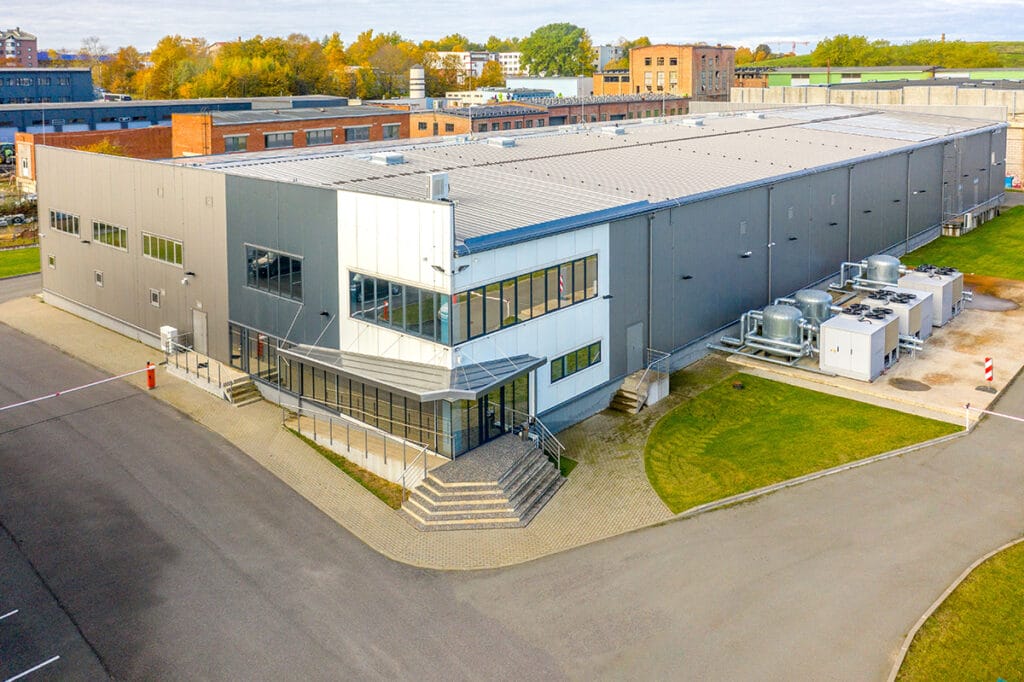
Convert 30 to 40 percent to storage
Start with the portion of the building that is easiest to isolate from the remaining occupied space. Install partition walls, roll-up doors, lighting, and security for the storage section. Focus your unit mix on the sizes with the strongest local demand. In most markets, that means a blend of 5×10, 10×10, and 10×15 units.
During Phase 1, the rest of the building stays leased to existing tenants or operates as flex space. You maintain that income stream while the storage section leases up. If the building needs climate control for the storage portion, design the HVAC zoning so the storage section operates independently from the remaining tenant spaces.
Phase 2
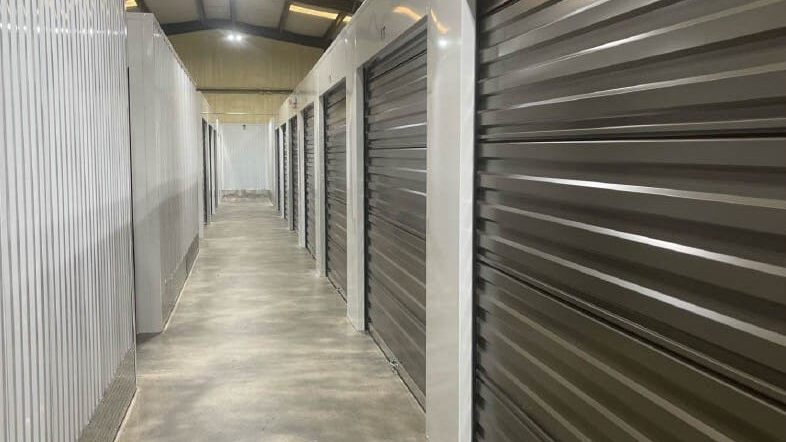
Expand as demand proves out
Once Phase 1 storage reaches 85 percent or higher occupancy for 90 or more consecutive days, you have a clear signal that the market supports expansion. Phase 2 converts additional square footage into storage as existing tenant leases expire or as you strategically consolidate remaining tenants into a smaller footprint.
Phase 2 is also where you can refine your unit mix based on real data. If your 5×10 units filled first and have a waitlist while your 10×15 units are lagging, adjust the Phase 2 mix to weight more heavily toward smaller sizes. Your unit mix strategy should evolve with each phase based on actual occupancy patterns, not assumptions.
Phase 3
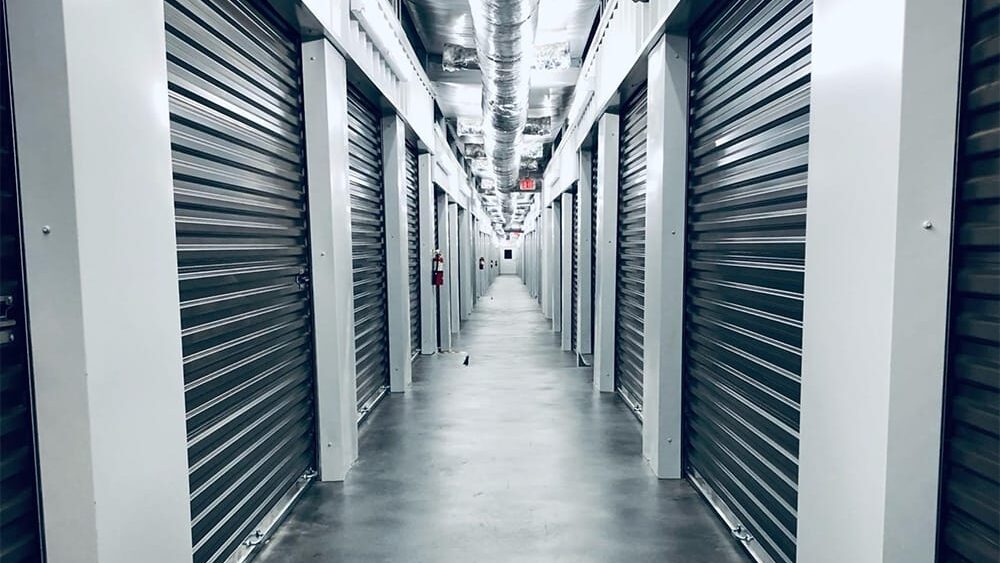
Full conversion or purpose-built expansion
Phase 3 depends on how Phases 1 and 2 perform and what your long-term goals are for the property. Options include converting the remaining building area to storage for a full-facility operation, maintaining a permanent flex space and storage hybrid if that model generates stronger combined returns, or adding new purpose-built mini storage steel buildings on adjacent land if the existing building is fully converted and demand still exceeds supply.
If you are developing a larger parcel (3 acres or more) and plan to add new construction in a later phase, prepare the site grading and drainage for the full buildout during Phase 1, even if you are only building one or two structures initially. This way, when Phase 2 or 3 arrives, your contractor can dig footings and pour concrete with minimal additional site work. Skipping this step means re-mobilizing heavy equipment later, which adds cost and delays.
Decision Points That Trigger Each Phase
Phasing only works if you define clear criteria for when to expand and when to hold. Without those guardrails, you risk either expanding too early (before demand justifies the capital) or too late (leaving revenue on the table while tenants go to competitors).
The occupancy threshold is the most important trigger. An 85 percent or higher occupancy rate sustained for at least 90 days is a strong signal that your market can absorb more units. Below that threshold, focus on rate optimization and marketing before adding inventory.
Market rate trends matter too. If your storage rates are climbing or holding steady at or above market averages, expansion is well-supported. If you are discounting heavily to maintain occupancy, the market may not be ready for additional supply.
Capital availability determines the pace. If Phase 1 cash flow is strong enough to fund Phase 2 construction without additional debt, you have the most flexibility. If you need outside financing, lenders will want to see Phase 1 performance data before committing to Phase 2 draws.
Lease expiration timing on the non-storage portion of the building controls when that space becomes available for conversion. Align your expansion plans with lease expirations so you are not buying out tenants or waiting with idle capital.
Construction Phasing Logistics: Keeping Operations Running during Expansion
Converting part of a building while the rest remains occupied requires careful coordination. Your construction plan needs to address several operational challenges that do not apply to a ground-up build on an empty site.
- Dust and noise control are the most immediate concerns. Storage tenants expect clean, quiet access to their units. Temporary dust barriers, construction scheduling during off-peak hours, and clear signage directing tenants away from active work zones help maintain a positive customer experience during construction.
- HVAC zoning should be designed from Phase 1 so that the storage section and the remaining tenant spaces operate on separate systems. This prevents construction dust from circulating into occupied areas and allows you to control temperature independently in the climate-controlled storage section.
- Temporary demising walls between the active storage section and the construction zone provide both physical separation and security. These walls do not need to be permanent, but they should be solid enough to block dust, noise, and unauthorized access.
- Security during construction is critical. Storage tenants are trusting you with their belongings. Maintain gate access, camera coverage, and lighting on the storage side of the facility even while construction crews are working on the conversion side. Brief your construction team on access protocols and make sure their entry points are separate from tenant access points.
- Tenant access to existing units must remain uninterrupted throughout construction. Map out vehicle and pedestrian routes that keep tenants clear of construction traffic. Communicate the construction schedule and any temporary access changes in advance.
Financial Framework: Modeling a Phased Pro Forma
A phased conversion is modeled differently than a full buildout. Instead of one large capital outlay followed by a single lease-up curve, you are managing multiple smaller capital events, each with its own timeline and return profile.
Structure your pro forma around capital-per-phase rather than total project cost. For each phase, model the construction cost, the expected lease-up timeline (typically 6 to 12 months to reach stabilized occupancy), the incremental revenue that phase adds, and the cash-on-cash return for that specific investment. This gives you a rolling ROI view where each phase is evaluated on its own merits.
Phase 1 will carry the highest risk per dollar because you are testing an unproven market with your first batch of units. Phases 2 and 3 carry lower risk because you have real occupancy data, established rental rates, and an operating track record that de-risks the investment for both you and your lender.
One advantage of the phased approach is that Phase 1 revenue can offset Phase 2 construction costs. If your Phase 1 storage section generates $8,000 to $12,000 per month in net operating income, that cash flow can cover a significant portion of the Phase 2 buildout without additional equity or debt.
The Flex Space and Storage Hybrid Model
For some property owners, the best long-term strategy is not a full storage conversion but a permanent hybrid that combines flex space tenants with self-storage in the same building or on the same site.
The hybrid model dedicates front-facing, street-visible space to small-bay flex tenants (contractors, e-commerce operators, small manufacturers) while rear or interior space becomes self-storage. Flex tenants pay higher per-square-foot rents than storage tenants in many markets, so keeping that space in flex use can generate stronger blended returns than converting the entire property to storage.
This model also provides natural diversification. If the storage market softens, flex tenants provide income stability. If a flex tenant vacates, that bay can be converted to storage or re-leased to another flex tenant depending on which use generates better returns at the time.
For more on the economics and design of flex space, see our guide on flex space investing with steel buildings.
Ready to Plan Your Phased Conversion?
Whether you are converting a warehouse, a retail building, or flex space, TruSteel can help you design and quote the steel building components for each phase of your project. We provide mini storage steel building kits with county-specific stamped plans, 100% steel construction, and a 30-year manufacturer’s warranty on panels and columns.
If you have a zip code, a building you are considering for conversion, and a rough idea of your phasing plan, you have enough to get started. Contact TruSteel Buildings today for a free quote!