

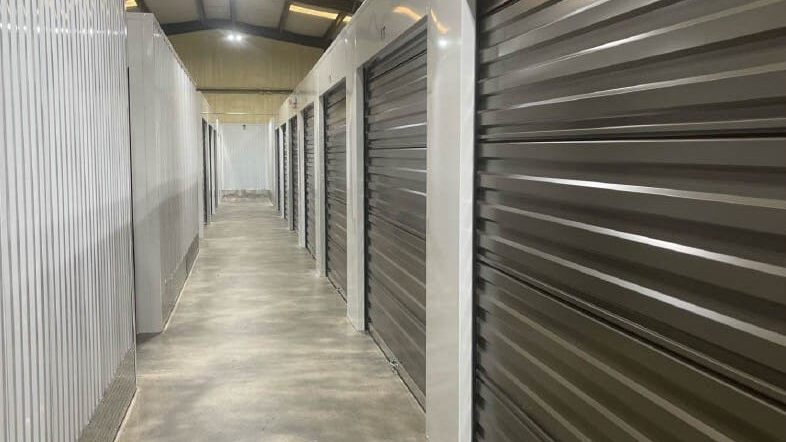
Why Self Storage Conversions Are Accelerating
New construction costs continue to climb. Steel, concrete, and labor prices have pushed ground-up storage development budgets higher, and permitting timelines in many jurisdictions have stretched longer. At the same time, the inventory of vacant commercial buildings keeps growing. Retail closures, warehouse consolidation, and office downsizing have created a pipeline of empty buildings in high-visibility locations with existing infrastructure.
That gap between rising new-build costs and growing vacant inventory is why adaptive reuse self storage is one of the most active development strategies in the industry right now. Converting an existing building eliminates the most expensive and time-consuming phases of a ground-up project: site work, foundation, and shell construction. The result is a faster path to revenue at a lower total capital cost.
The Self Storage Conversion Process: Seven Steps
Every conversion project follows the same general sequence, though the timeline and complexity at each step vary based on building type, jurisdiction, and scope.
- STEP 1. Market feasibility study. Confirm that storage demand exists in your area by researching competitor occupancy, rental rates, and demographic signals. A strong building in a weak market is still a bad investment.
- STEP 2. Building due diligence and assessment. Evaluate the physical building for structural capacity, ceiling height, slab condition, MEP systems, and code compliance. This is where most deal-breakers surface. See the full checklist below.
- STEP 3. Zoning and entitlement review. Confirm that self-storage is a permitted use on the property, or determine the approval path if it requires a conditional use permit. Check for private deed restrictions and CC&Rs that could block conversion regardless of zoning.
- STEP 4. Design and engineering. Develop the interior unit layout, corridor plan, door schedule, and MEP design. Map existing column locations and mark the distance between them so you do not place a roll-up door or hallway where a column will obstruct it.
- STEP 5. Permitting. Submit stamped plans for building department review. Climate-controlled conversions and projects adding mezzanines may trigger additional fire marshal and structural reviews.
- STEP 6. Construction and buildout. Install partition walls, doors, electrical, lighting, HVAC (if climate-controlled), fire suppression upgrades, security, and signage. A full conversion can go from permit to doors open in 4 to 6 months.
- STEP 7. Lease-up and operations. Activate your management software, online listings, and marketing. Most converted facilities reach stabilized occupancy in 12 to 18 months depending on market conditions and unit mix.
For a detailed breakdown of how to structure this process in phases, see our phased self-storage conversion strategy guide.
Building Types That Convert Well
Not every building makes a good storage candidate, but several commercial property types consistently work.
Warehouses
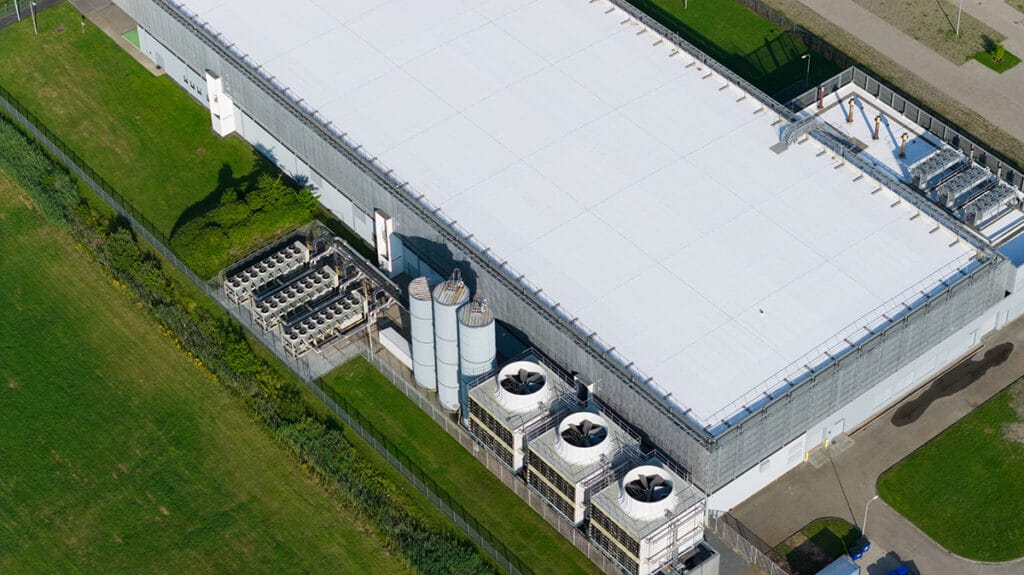
Warehouses are the most common conversion candidates. High ceilings, open floor plates, concrete slabs, and loading dock access make them structurally ideal. Buildings with 20 or more feet of clear height can support mezzanine levels that double rentable square footage.
For a full walkthrough, see our warehouse to self storage conversion guide.
Big Box and Retail Stores
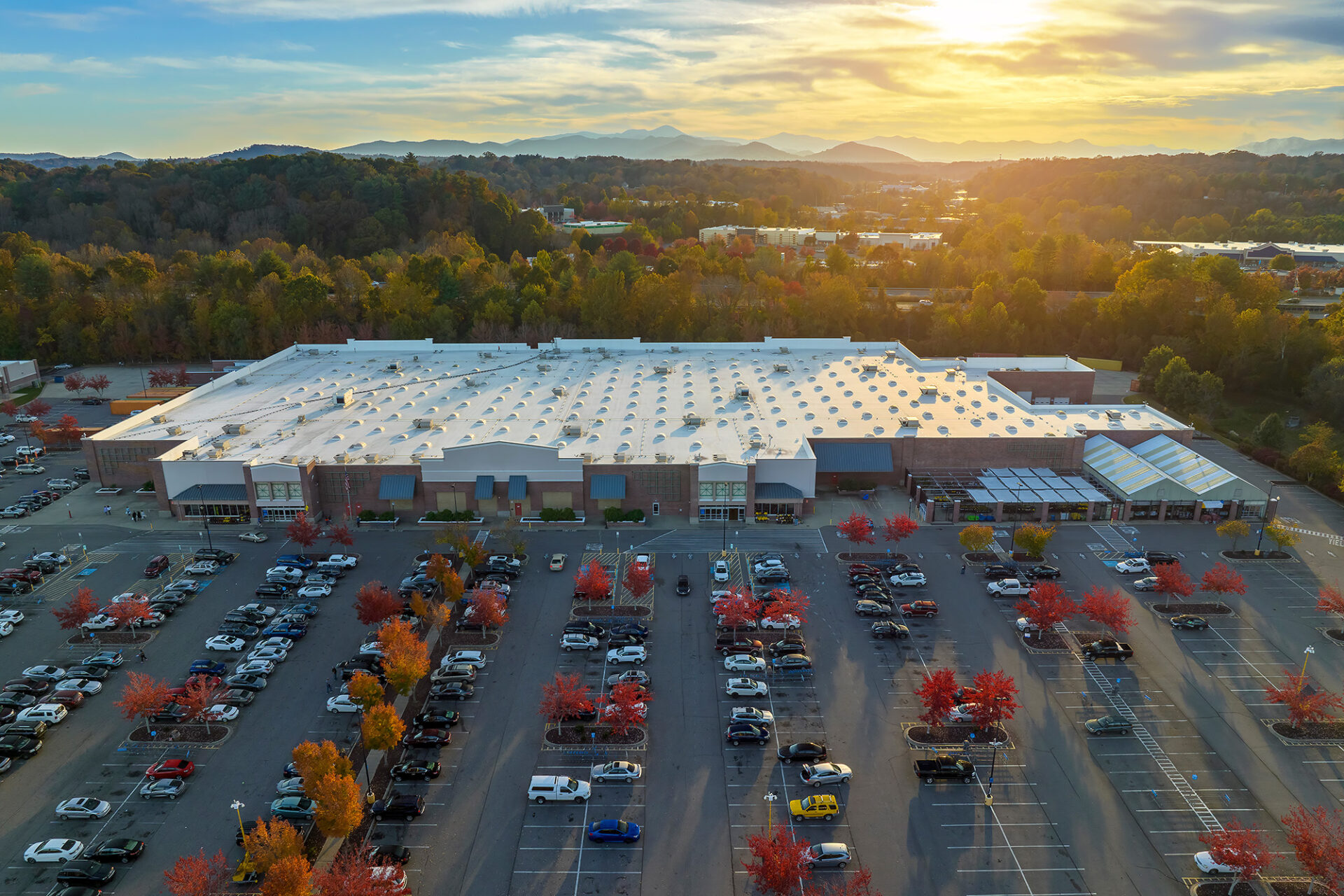
Big-box retail and grocery stores offer road visibility, ample parking, and proximity to residential neighborhoods. The open floor plates convert efficiently to interior corridor layouts. Ceiling heights of 20 feet or more are common, creating mezzanine opportunities.
For zoning strategies specific to retail properties, see our big-box to self storage conversion guide.
Office Buildings
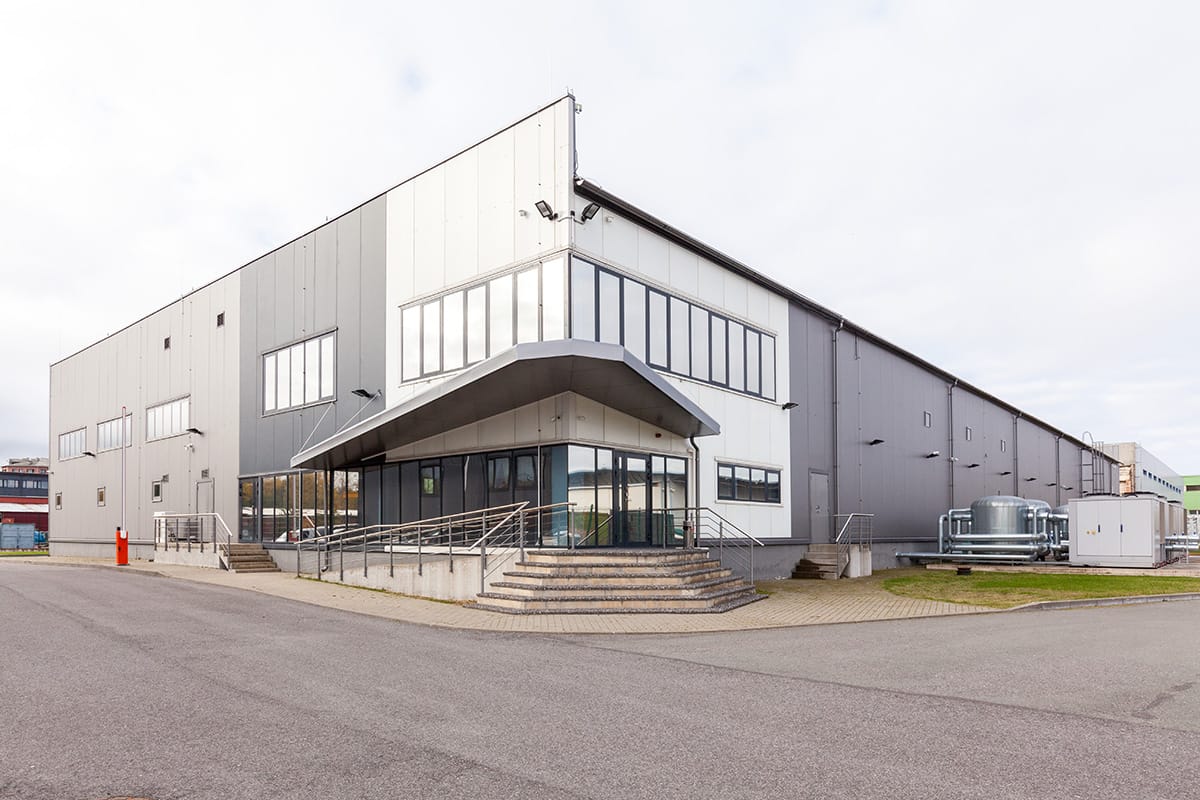
Office buildings can work for climate-controlled storage, especially multi-story buildings with elevators already in place. The challenge is that office floor plates tend to be heavily partitioned, and the HVAC systems may not be sized for the lower ventilation requirements of storage.
Manufacturing Facilities

Manufacturing facilities often have the structural capacity, ceiling height, and heavy-duty slabs needed for conversion. Environmental due diligence is critical on these properties, because contamination history can create remediation costs that destroy project economics.
Indoor Sports Facilities

Indoor sports facilities (gyms, trampoline parks, indoor soccer, riding arenas) provide large clear-span interiors with high ceilings and open floor plans. These buildings convert efficiently when the location supports storage demand.
Self Storage Conversion Due Diligence Checklist
This checklist covers the critical items to evaluate before committing capital to a conversion project. Use it as your screening tool during building assessment.
- Structural assessment: Roof condition and remaining useful life. Column grid spacing and locations relative to target unit layout (mark column positions and measure spacing so doors and corridors align with the structural grid, not against it). Floor slab thickness (6-inch minimum for single-level; confirm capacity for mezzanine loads if applicable). Overall structural integrity and load-bearing capacity.
- MEP capacity: Electrical panel size and available amperage relative to lighting, security, and HVAC loads. Plumbing condition and capacity (if restrooms or floor drains are planned). Existing HVAC tonnage and condition (critical for climate-controlled conversions).
- Fire suppression: Sprinkler system type, age, and coverage area. Confirm whether the existing system meets the occupancy classification for self-storage or requires upgrades. Fire-rated corridor construction requirements for interior layouts. Exit stair and egress requirements if adding a mezzanine level.
- Code compliance: Egress path count and distances. ADA-compliant accessible routes, door hardware, and restroom facilities (if applicable). Building code occupancy classification change requirements.
- Environmental: Phase I Environmental Site Assessment (ESA) to screen for contamination history, underground storage tanks, asbestos, and lead paint. Phase II testing if Phase I identifies recognized environmental conditions.
- Zoning and legal: Zoning district confirmation and permitted use verification. Conditional use permit requirements (if storage is not permitted by right). Title and deed review for CC&Rs, easements, shared parking agreements, and use restrictions that could block conversion.Utilities: Water, sewer, electric, and gas service availability and capacity. Distance from utility mains if upgrades or extensions are needed.
Conversion Cost Ranges and Timeline Expectations
Self storage conversion costs are generally 37 to 50 percent less than comparable new construction, but they vary widely based on building condition, scope, and market. Partition systems alone typically run $4.50 to $5.50 per square foot installed. Total conversion budgets need to account for partitions, doors, electrical, fire suppression, HVAC, security, signage, office buildout, and permitting.
Timeline expectations are faster than ground-up construction. A straightforward single-level conversion can go from permit to doors open in 4 to 6 months. Projects with mezzanines, climate-controlled systems, or phased buildouts may take 6 to 9 months.
Ready to Evaluate Your Building for Conversion?
If you own a commercial property you are considering for self storage conversion, or you are evaluating a building for acquisition, the next step is understanding its potential and getting site-specific guidance.
TruSteel provides mini storage steel building kits for developers who need new drive-up or climate-controlled buildings as part of a conversion campus or expansion beyond the existing shell. Every package includes county-specific stamped plans, 100% steel construction, and a 30-year manufacturer’s warranty on panels and columns.
If you have a zip code and a building you want to evaluate, you have enough to get started. Contact TruSteel Buildings today for a free quote!