
Why Convert a Warehouse to Self Storage?
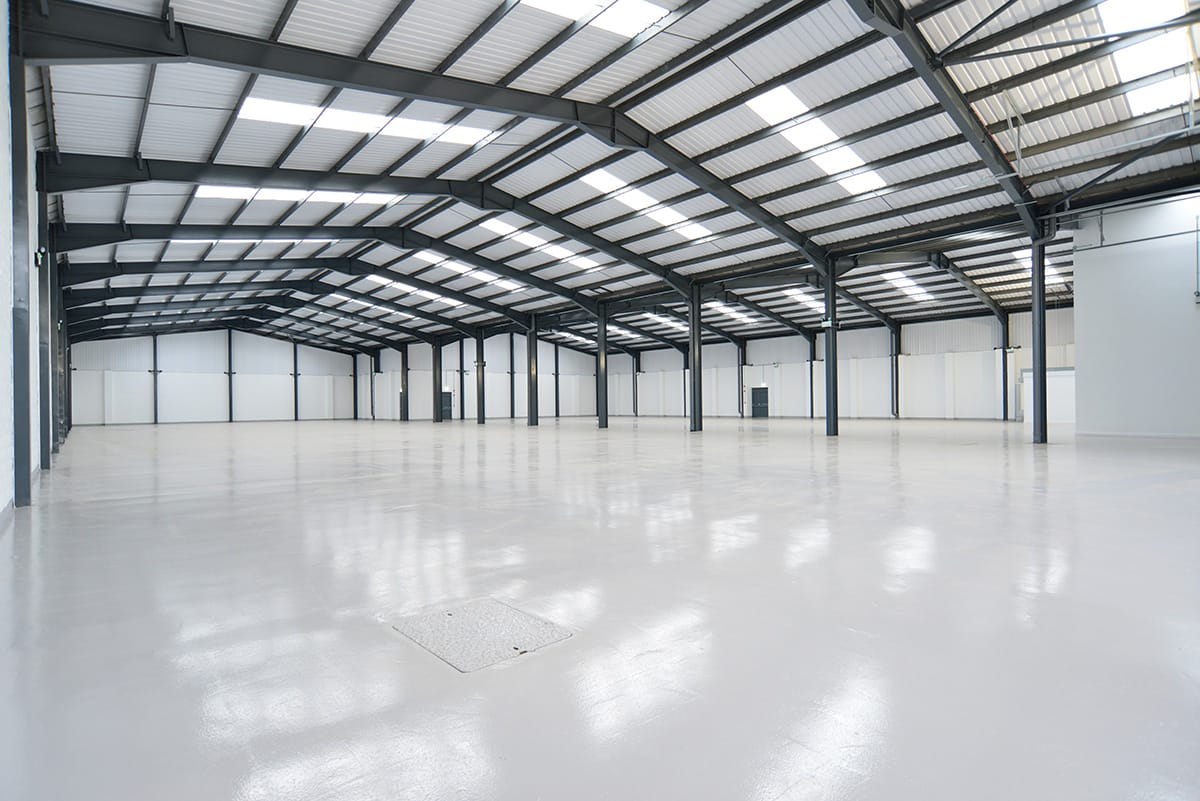
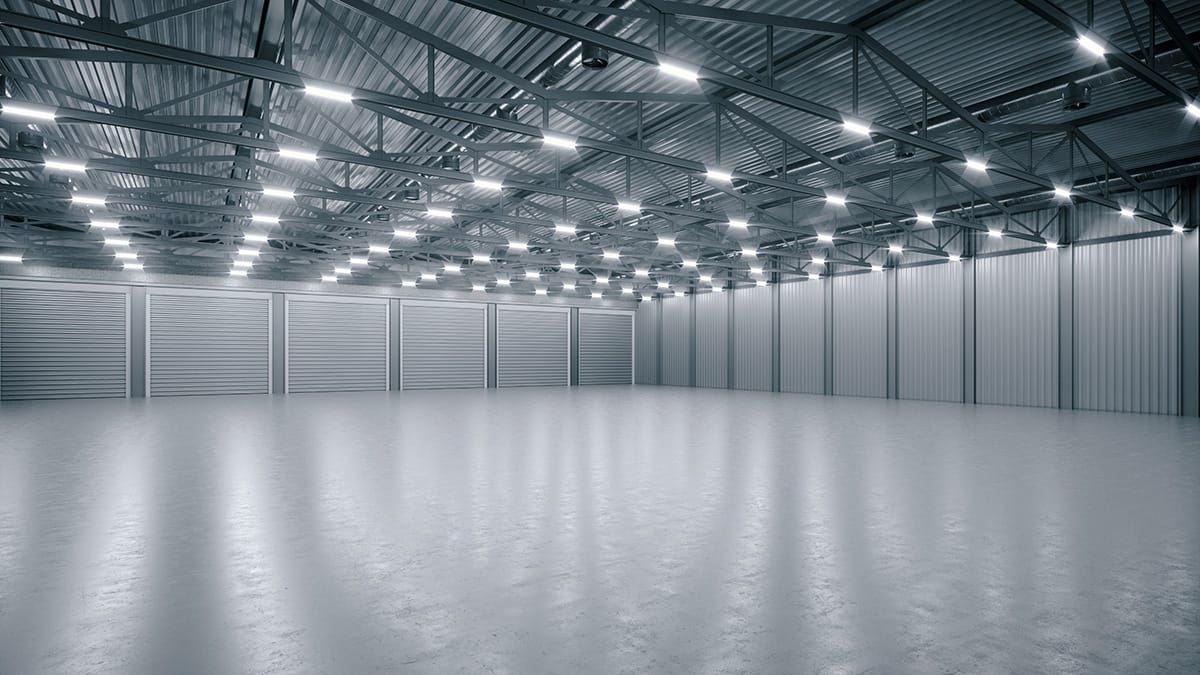
If you own or are evaluating a warehouse that is underperforming, partially vacant, or approaching the end of its useful life as industrial space, a warehouse to self storage conversion can be one of the highest-return repositioning strategies available. The existing building shell eliminates the most expensive and time-consuming portion of new construction. You skip site work, foundation, steel fabrication, and erection. What remains is an interior buildout focused on partitions, doors, electrical, security, and (if climate-controlled) HVAC.
The economics are compelling. Conversion projects typically cost 37 to 50 percent less than building a comparable new facility from the ground up. The timeline compresses as well. A full conversion can go from permit to doors open in 4 to 6 months, compared to 10 to 14 months or longer for new construction.
But not every warehouse is a good candidate. The feasibility assessment is the most important step in the process, and skipping it can lead to expensive surprises after you have already committed capital.
What Makes a Warehouse a Good Conversion Candidate
Before you model revenue or design a unit layout, you need to confirm that the building itself can physically and legally support a self-storage operation.
Ceiling height
Ceiling height
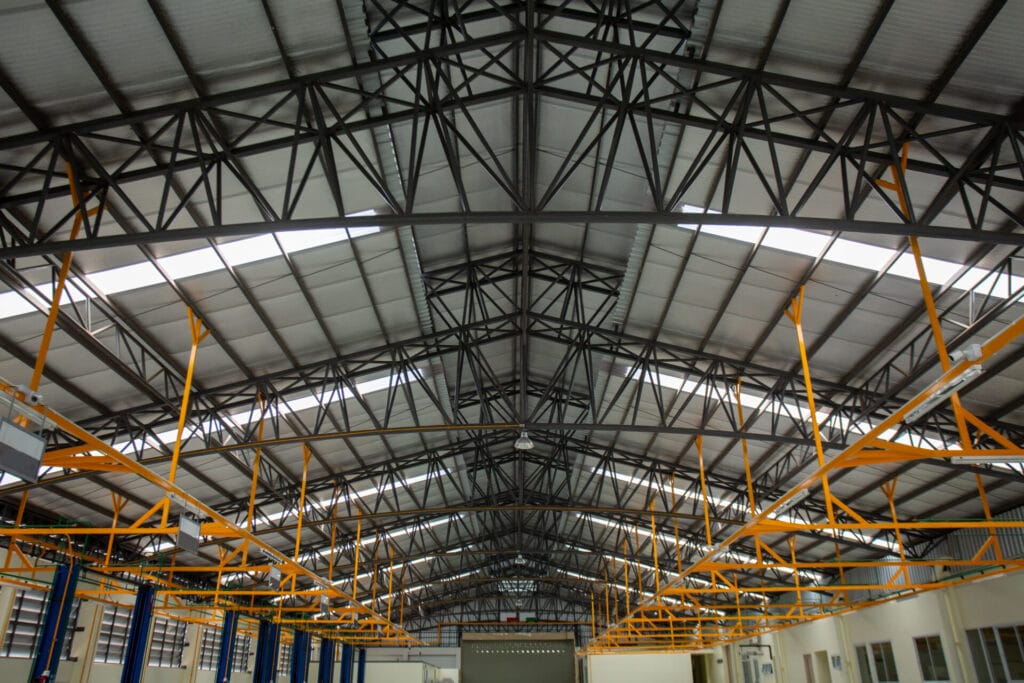
A minimum of 10 feet of clear ceiling height (measured from the finished floor to the lowest obstruction, not the roof peak) is required for a single-level storage conversion with standard 8-foot-tall roll-up doors and overhead lighting. Buildings with 20 feet or more of clear height are ideal because they can support a mezzanine level, effectively doubling your net rentable square footage on the same footprint.
Floor slab
Floor slab
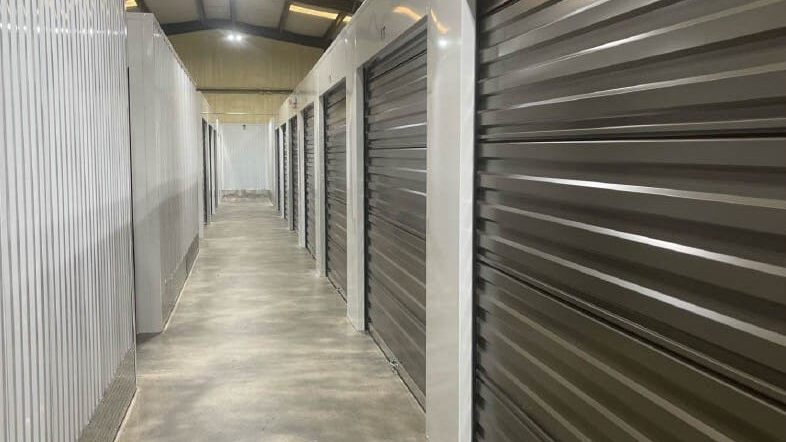
The existing concrete slab needs to be in good condition and thick enough to support partition walls and tenant loads. A 6-inch slab is the minimum for a single-level conversion. If you plan to add a mezzanine, the slab must support the additional point loads from mezzanine columns. A structural engineer should evaluate slab thickness, reinforcement, and condition before you finalize your design.
Structural grid spacing
Structural grid spacing
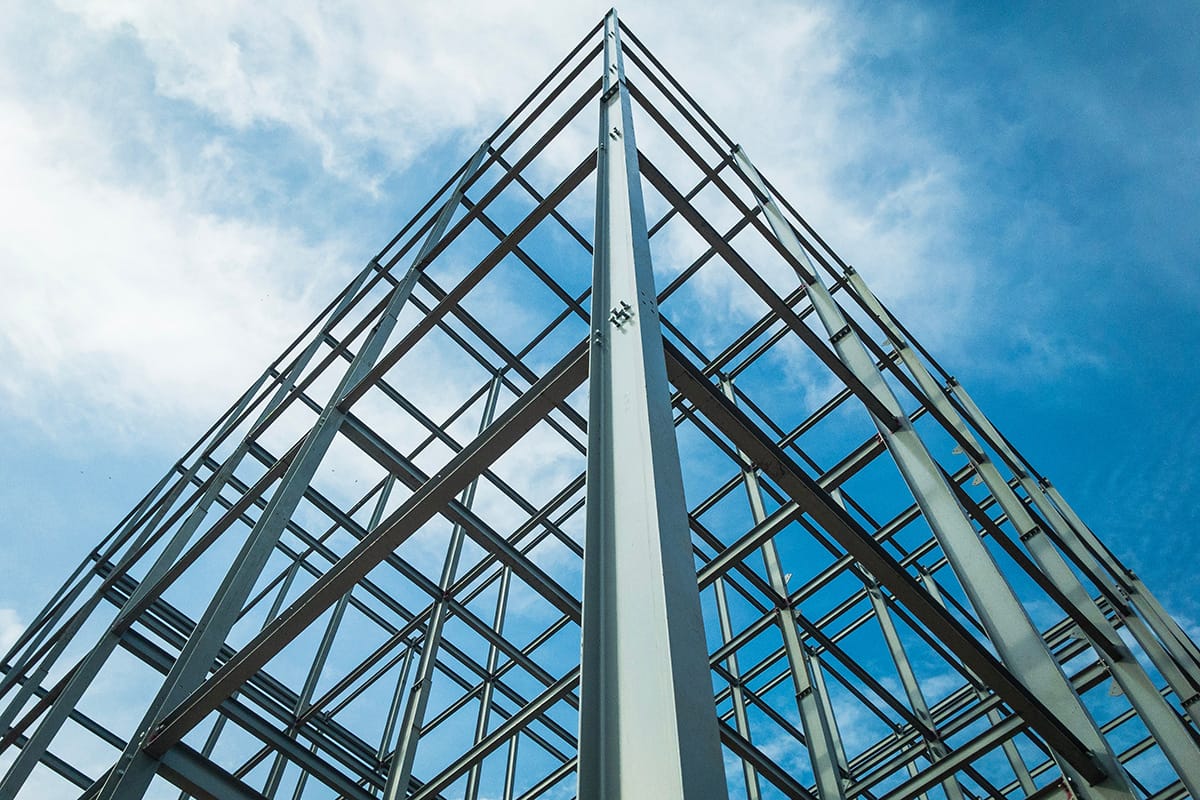
Warehouses are built on column grids, and those grids dictate where your storage unit partition walls can go. Grid spacing that aligns with standard storage unit depths (10, 15, or 20 feet) makes layout design straightforward. Irregular or very wide column spacing (40 feet or more) can work, but may require creative unit configurations or supplemental partition framing.
Parking, access, and drive aisles
Parking, access, and drive aisles
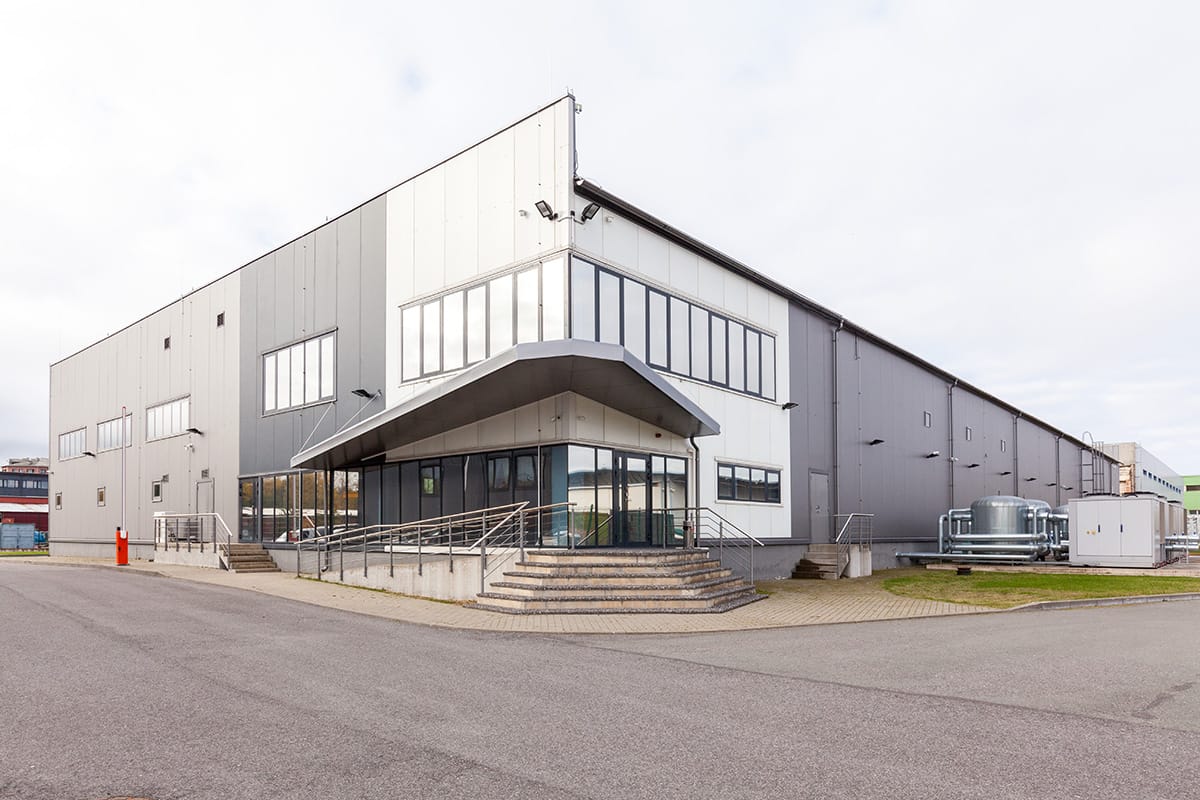
Storage tenants need convenient parking and loading access. Evaluate whether the existing parking lot, loading docks, and drive approaches can support the traffic patterns of a self-storage operation. Interior corridor facilities need adequate parking near building entries. If you plan to operate any portion as drive-up access, you need 24 to 26 feet of drive aisle width outside the building.
Location and visibility
Location and visibility
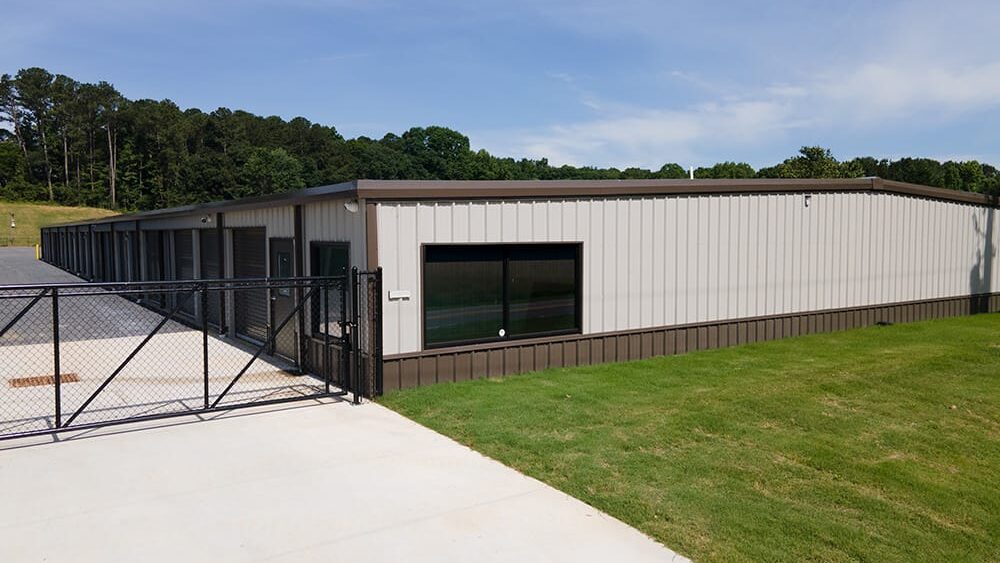
A warehouse tucked in the back of an industrial park with no street signage may be structurally perfect but commercially challenging. Self-storage facilities lease fastest when they have good road visibility, easy access from major routes, and clear signage opportunities. Evaluate whether the building’s location supports the customer traffic you need to reach stabilized occupancy.

Common Deal-Breakers
Not every warehouse should become a storage facility. These issues can make a conversion financially impractical or legally impossible.
Ceiling height below 10 feet makes it difficult to install standard unit doors and overhead infrastructure. Environmental contamination (asbestos, lead paint, underground storage tanks, soil contamination) can trigger remediation costs that destroy conversion economics. Deed restrictions or private covenants prohibiting storage use are surprisingly common on retail properties and some industrial parcels.
Check the title and survey before you invest in a feasibility study. Inadequate electrical or plumbing capacity may require expensive utility upgrades, especially for climate-controlled conversions that need significant HVAC power. A roof in poor condition adds a major capital expense on top of the interior conversion budget and should be factored into your total cost analysis rather than treated as a separate maintenance item.
Any one of these issues can kill a deal. Identify them early so you can walk away or renegotiate before you are locked in.
Zoning and Entitlements for Storage Conversions
Zoning is the first legal hurdle. Self-storage is not a permitted use in every zoning district, and even in districts where it is allowed, the approval path varies.
C-2 (general commercial) zoning is the most desirable for a storage conversion because it typically permits storage by right or with a straightforward site plan review. Commercial zones also tend to have better road visibility and customer access, which supports faster lease-up.
Industrial zoning often allows storage, but some jurisdictions classify self-storage as a commercial use that requires a conditional use permit in industrial zones. That adds public hearings, review timelines, and potential design conditions to the approval process.
Check for private restrictions in addition to public zoning. Covenants, conditions, and restrictions (CC&Rs) on the property deed or within a business park association can prohibit storage use regardless of what the zoning code allows. These restrictions are binding and typically cannot be overridden by a zoning approval.
Engage the local planning department early. A pre-application meeting can surface zoning issues, required variances, and design conditions before you spend money on engineering and plan sets.
Building Assessment Checklist
Once you have confirmed that the building is a viable candidate and the zoning supports storage use, a detailed building assessment covers the technical specifics.
Your assessment should evaluate the structural grid and column locations relative to your target unit layout, egress paths and ADA compliance (accessible routes, door hardware, ramp grades), fire and life safety requirements (sprinkler system capacity, fire-rated corridor construction, exit stair requirements if adding a mezzanine), HVAC capacity and condition if you plan to offer climate-controlled storage, roof condition and remaining useful life, and MEP (mechanical, electrical, plumbing) capacity relative to your conversion scope.
Fire and life safety requirements deserve special attention. Converting a warehouse to occupied self-storage may trigger sprinkler upgrades, rated corridor construction, and additional exit requirements that were not required for the building’s original use. These items can add significant cost if not identified early.
Self Storage Conversion Costs: What to Expect
Conversion costs vary widely based on building condition, scope, and market, but the following framework gives developers and property owners a starting point.
Partition systems (steel stud framing with metal cladding and roll-up doors) typically run $4.50 to $5.50 per square foot installed. This is the core component that transforms open warehouse space into individual storage units.
Beyond partitions, your budget needs to account for roll-up doors and hardware, electrical wiring and LED lighting, fire suppression upgrades (if required by code), HVAC installation or modification (for climate-controlled facilities), security systems (cameras, access control, perimeter fencing), signage and wayfinding, office buildout and management infrastructure, and permitting, engineering, and inspection fees.
When you add all of these components together, total conversion costs are generally 37 to 50 percent less than the cost of a comparable new-construction facility. The savings come from eliminating the building shell, foundation, and site work, which are the largest line items in a ground-up project.
For projects where new steel buildings are part of the expansion plan (adding drive-up rows outside the converted warehouse, for example), TruSteel can quote mini storage steel building kits alongside your conversion scope so you can compare costs and phase your investment accordingly.
Design Considerations for Warehouse Storage Unit Layouts
The interior layout of a converted warehouse follows the same principles as a purpose-built climate-controlled facility, because both are interior corridor buildings.
Net rentable efficiency in a conversion typically falls between 75 and 85 percent of the gross building area, depending on column placement, corridor widths, and the amount of common area dedicated to offices, restrooms, and mechanical rooms. Columns that fall mid-unit or mid-corridor require workarounds that reduce efficiency. The more closely the existing structural grid aligns with your unit layout, the higher your NRSF will be.
Corridor width should be a minimum of 5 feet, with unit doors recessed 2 to 4 inches so they do not protrude into the hallway when open. Building entries should be spaced so that no unit is more than 150 feet from an exit, per fire code requirements in most jurisdictions.If the building has 17 feet or more of clear ceiling height, consider going vertical with a mezzanine level. A mezzanine effectively doubles your net rentable square footage on the same building footprint.
It requires stairs, an elevator (for ADA compliance and tenant convenience), and fire-rated construction between levels, but the additional rentable area can dramatically improve your revenue per square foot of building footprint.
For more on how layout decisions affect total unit count, see our guide on how many storage units fit in a steel building.
Partial Warehouse Conversion: Operating Storage alongside Existing Tenants
You do not have to convert the entire building at once. A partial warehouse conversion lets you phase the project, converting a portion to storage while keeping the remaining space leased to existing tenants or operating as flex space.
The logistics of a partial conversion require careful planning. Dust and noise control barriers between the active construction zone and occupied spaces are essential. Temporary demising walls should be solid enough to block particulates and dampen sound. HVAC systems should be zoned separately so construction dust does not circulate into tenant or storage areas.
Separate utility metering for the storage section and the remaining tenant spaces simplifies billing and prevents disputes. Security protocols need to account for construction crew access without compromising tenant security. Establish separate entry points for construction traffic and tenant/customer traffic from the start.
Maintaining customer access to existing storage units during expansion phases is non-negotiable. Map vehicle and pedestrian routes that keep tenants clear of construction activity, and communicate the schedule and any temporary changes in advance.
For a more detailed look at how to structure and finance a phased approach, see our guide on phased self-storage conversion strategy.
Ready to Evaluate Your Warehouse for Conversion?
Whether you are planning a full warehouse to self storage conversion or a phased approach that starts with a portion of your building, the next step is understanding your building’s potential and getting site-specific cost guidance.
TruSteel provides mini storage steel building kits for developers who need new drive-up or climate-controlled buildings as part of a conversion campus. We also offer county-specific stamped plans, 100% steel construction, and a 30-year manufacturer’s warranty on panels and columns for any new structures added to your site.
If you have a zip code, a building you are evaluating, and a rough idea of your conversion scope, you have enough to get started. Contact TruSteel Buildings today for a free quote!