
Why Retail Properties Make Strong Conversion Candidates
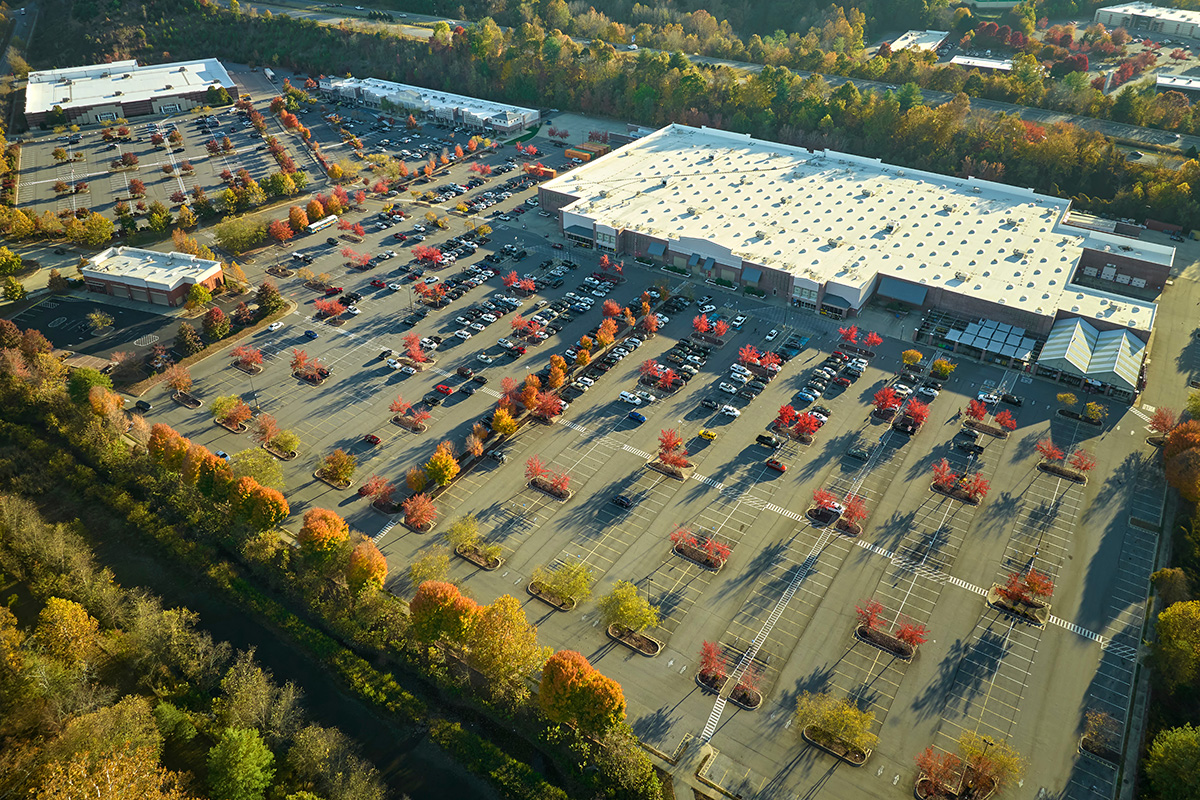
Vacant retail buildings, from former grocery stores and drugstores to full-size big-box spaces, are among the most attractive adaptive reuse opportunities in the self-storage industry. The advantages are structural, locational, and political.
Retail buildings sit on high-visibility commercial corridors with existing signage infrastructure, established turning lanes, and traffic patterns that residential customers already know. The parking lots are typically oversized relative to storage traffic needs, which means you inherit more than enough vehicle access without additional paving. And these properties are almost always located in or adjacent to high-density residential areas, which is exactly where storage demand is strongest.
There is also a political dimension that works in your favor. Cities and planning commissions generally prefer an adaptive reuse project over a vacant storefront. A well-presented retail to self storage conversion can frame itself as a neighborhood improvement: lower traffic than retail, lower noise, no late-night activity, and a productive use for a building that would otherwise sit empty and deteriorate.
Zoning Strategy for Retail Conversions
Zoning is the first and most consequential hurdle on a retail conversion project. Retail properties typically sit in C-2 or general commercial zoning districts, and self-storage is not always a permitted use in those zones.
Conditional use permits and how to approach them
If storage requires a conditional use permit (CUP) in your district, your approval depends on how well you present the project to the planning commission. Frame the conversion around the benefits the community gains: reduced vacancy, lower traffic volume compared to retail, minimal noise, improved property maintenance, and tax revenue from a productive use.
Common conditions of approval include architectural upgrades to maintain the commercial character of the corridor (facade improvements, new paint, updated signage), enhanced landscaping along the street frontage, lighting restrictions to prevent spillover into adjacent residential areas, and limits on outdoor storage or vehicle parking related to the storage operation.
Anticipate these conditions and incorporate them into your initial proposal. Showing up with a plan that already addresses the planning commission’s likely concerns accelerates approval and signals that you are a serious, community-minded developer.
Private restrictions: CC&Rs, easements, and shared parking
Retail properties carry private legal restrictions that industrial and warehouse sites rarely have. Before you invest in a feasibility study or zoning application, check the title and survey for covenants, conditions, and restrictions (CC&Rs) that may prohibit storage use. Retail plazas and shopping centers commonly have shared parking agreements, reciprocal access easements, and common area maintenance (CAM) fee structures that survive even after the original anchor tenant vacates.
These restrictions are legally binding regardless of what the public zoning code allows. A storage conversion that violates a CC&R can be challenged by adjacent property owners or the original developer’s successors. Engage a real estate attorney to review all recorded instruments on the property before you commit capital.
Layout Playbook: Adapting a Retail Floor Plan for Storage
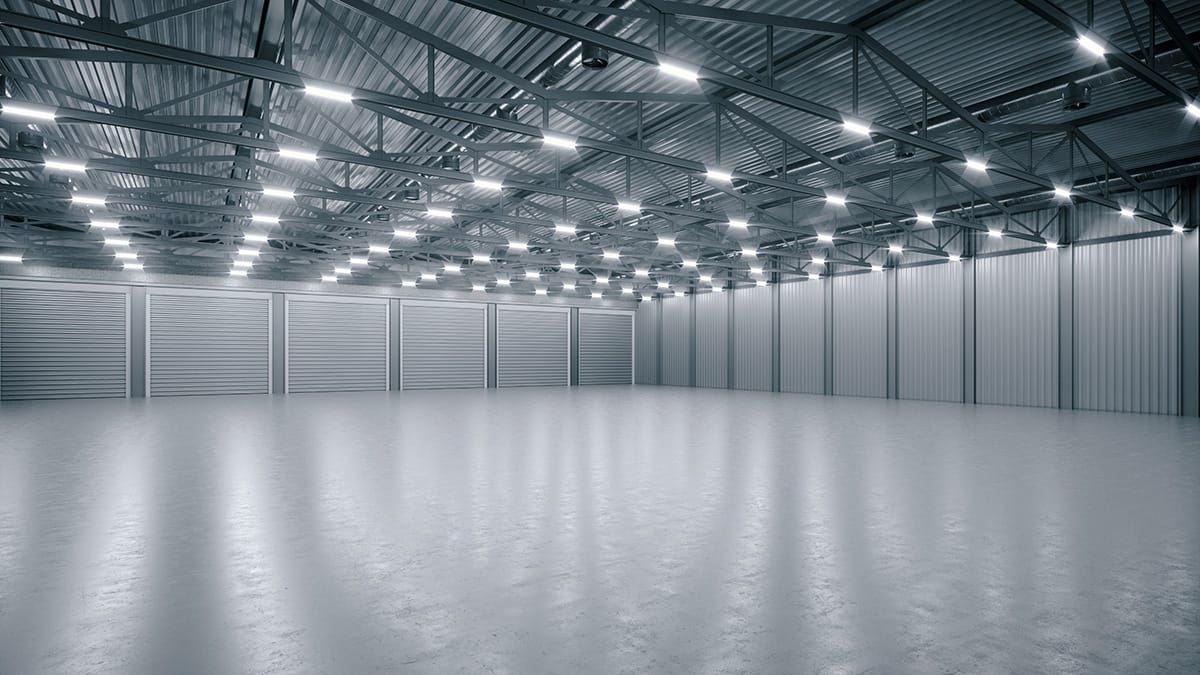
Retail buildings offer large, open floor plates with minimal interior columns, which makes them well-suited to interior corridor storage layouts. The conversion design should capitalize on the existing building’s strengths while adapting the customer-facing areas for a storage operation.
Convert the front retail entrance into a climate-controlled customer lobby with a management office, access control, and wayfinding signage. This preserves the street-facing storefront for marketing and branding while giving tenants a professional first impression. The existing loading docks (if present) can serve as drive-up access points for tenants moving large items, or as service entries for facility maintenance.
The interior layout follows the same principles as any climate-controlled corridor facility. Partition walls divide the open floor plate into individual units along double-loaded corridors. Net rentable efficiency in a retail conversion typically falls between 75 and 85 percent of the gross building area, depending on column placement, corridor widths, and common area requirements.
For details on corridor widths, door placement, and unit depth configurations, see our guide on mini storage building floor plans.
Traffic, Parking, and Customer Access Flow
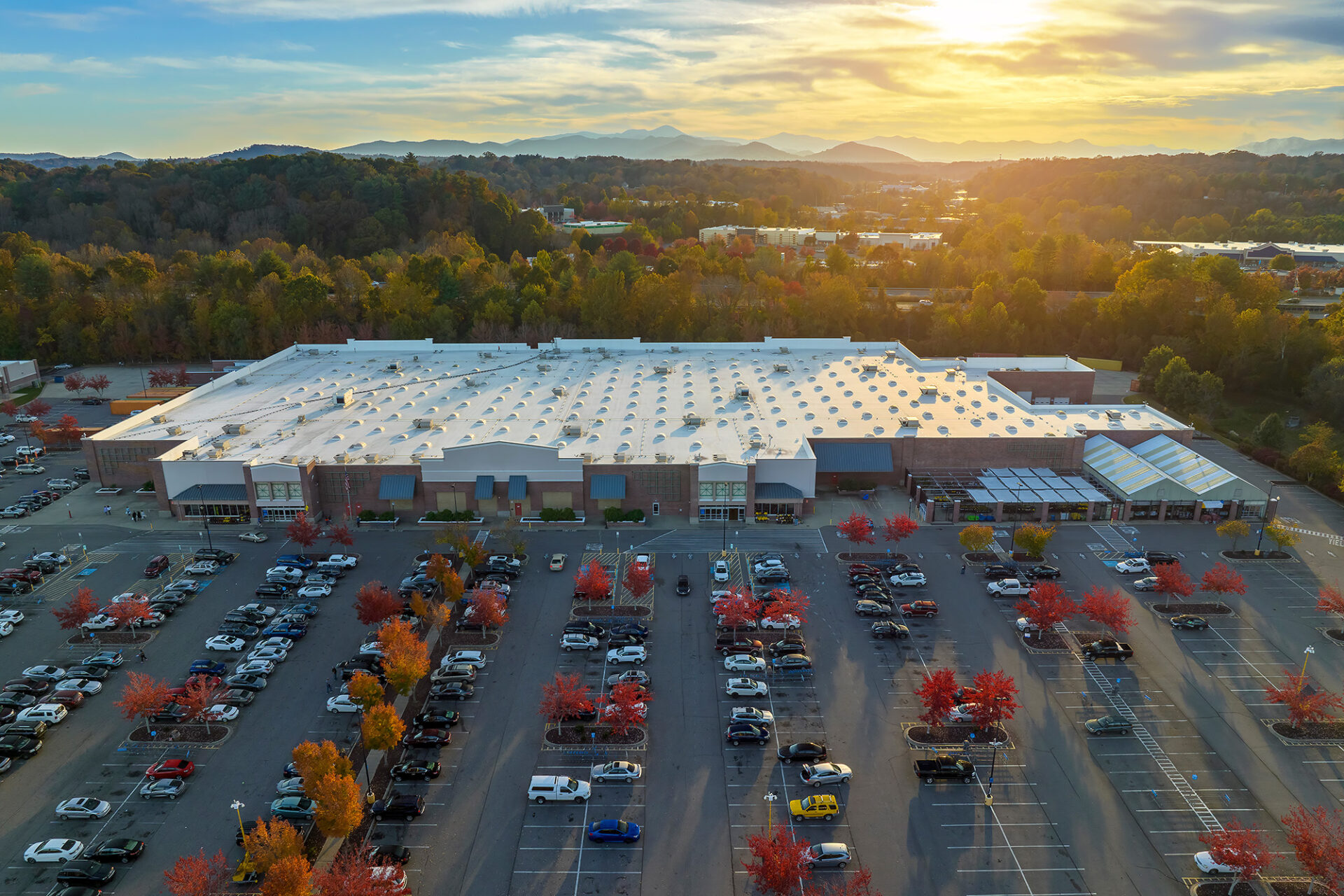
Retail parking lots are a major asset for storage conversions. A typical big-box parking lot provides far more spaces than a storage facility needs, which means you have room for comfortable drive aisles, trailer staging areas, and clear wayfinding from the street entrance to the building entry without crowding.
Make sure your site plan maintains 24 to 26 feet of drive aisle width in any areas where tenants will be loading or unloading with trucks and trailers. Designate a clear traffic flow from the street entrance through the parking area to the building’s primary access point. Tenants should never feel lost or confused navigating from the road to their unit.
If the property has multiple access points from different streets (common with retail corner lots), consider which entry provides the most intuitive route and use signage to direct traffic accordingly.
Unit Mix for Retail Conversions
Retail locations with high street visibility and proximity to residential neighborhoods tend to attract a higher proportion of climate-controlled demand than industrial-area facilities. Tenants in these markets are often storing household goods, electronics, documents, and other items where temperature and humidity protection matters.
Consider weighting 40 to 60 percent of your unit mix toward climate-controlled premium units, with a heavier allocation of 5×5, 5×10, and 10×10 sizes. Retail-area tenants are frequently storing smaller volumes of higher-value items, which means smaller units generate stronger revenue per square foot.
For a full framework on how to research and build your mix, see our self storage unit mix strategy guide.
The Ceiling Height Advantage: Going Vertical with Mezzanines
Many big-box retail buildings have 20 feet or more of clear ceiling height, which creates an opportunity that single-story conversions leave on the table. A mezzanine level can effectively double your net rentable square footage on the same building footprint.
Adding a mezzanine requires stairs, an elevator for ADA compliance and tenant convenience, fire-rated construction between levels, and a structural evaluation to confirm the existing slab and columns can support the additional load. The added construction cost is meaningful, but the revenue impact of doubling your rentable area on the same footprint often makes the math compelling, especially in high-rent urban and suburban markets.
For more on how multi-level layouts affect unit count and revenue projections, see our storage unit count calculator and layout guide.
Ready to Evaluate Your Retail Property for Conversion?
Whether you are converting a vacant grocery store, a former big-box anchor, or a section of a retail plaza, the next step is understanding your building’s potential and getting site-specific guidance on zoning, layout, and cost.
TruSteel provides mini storage steel building kits for developers who need new drive-up buildings as part of a conversion campus or expansion beyond the existing retail shell. Every package includes county-specific stamped plans, 100% steel construction, and a 30-year manufacturer’s warranty on panels and columns.
If you have a zip code, a property you are evaluating, and a rough idea of your scope, you have enough to get started. Contact TruSteel Buildings today for a free quote!